Luna Glass
An accessibility platform designed for low-vision workflows using local OCR, offline speech, semantic accessibility APIs, and privacy-first engineering.
This site is the public-facing layer of Luna: a static portfolio that shows active systems, exported build updates, proof-backed reporting, and the project lineage behind how those systems were built.
These focused case studies give hiring managers a faster path into the architecture, tradeoffs, and implementation boundaries behind the portfolio.
An accessibility platform designed for low-vision workflows using local OCR, offline speech, semantic accessibility APIs, and privacy-first engineering.
A systems engineering case study covering Docker runtime isolation, source ownership, validation gates, rollback strategy, and production deployment architecture.
Luna is the operating philosophy behind my projects: accessible by design, structured in execution, and built to create measurable momentum.
Luna is more than a name, it represents how I work and how I build.
As someone who is visually impaired, dark mode and accessibility-first design are essential to my workflow. The space-inspired, lunar theme reflects both that practical need and a broader philosophy.
The moon often feels close but just out of reach, a metaphor that resonated with me as I worked toward building the career and systems I wanted. Luna became my way of turning that idea around: building structured systems that help me close that gap and move toward independence, clarity, and momentum.
Today, Luna is my personal engineering workspace where projects, reporting, automation, and analytics come together into one system.
Accessibility is integrated into implementation decisions, not bolted on.
Systems are built for repeatability: ingestion, transformation, proof, publication.
Every project is oriented toward visible outcomes and operational clarity.
These are rendered from live MLB data and published as static images for reliable recruiter viewing.
This section is intentionally curated as the source of truth for what should stay pinned and visible for resume review.
Luna is the center of gravity. Wallet Engine, Retail Simulator, and Career Engine show the adjacent systems shaping the broader stack.
This section reads from posts/posts.json, so Luna can keep publishing outward-safe work without hand-editing the homepage.
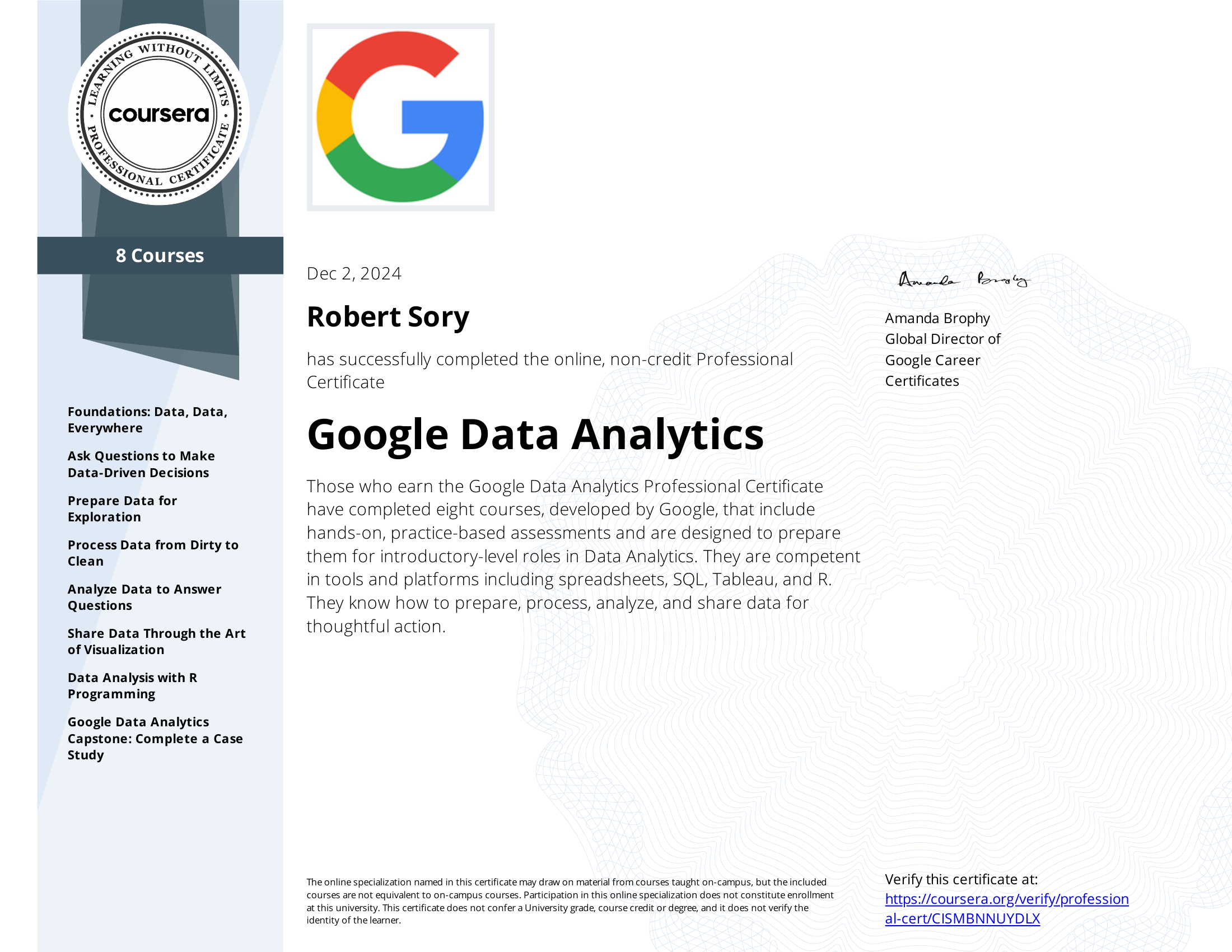
Restored as a first-class portfolio item so credentials remain visible during hiring review.
Professional certification covering analytics process, SQL, data cleaning, visualization, and reporting communication.
Keep the evidence compact and high-signal: enough to validate execution quality without drowning the homepage in embeds.
The walkthrough video anchors the page with a quick visual pass across the current project surface and portfolio behavior.
Recruiters and hiring managers should be able to see, fast, that the work is not just decorative. The point is to make the operational shape visible: automation, reporting, structured output, public-safe publication, and repeatable build discipline.
Fast scan: clear sections, metadata chips, and compact proof.
High signal: systems, outputs, and workflow impact over vague self-description.
Credibility: active updates prove the stack is alive.
This is the lineage layer: foundation systems, early experiments, and learning systems that made the current build possible.
I build automation, reporting, and workflow systems that make information easier to trust and easier to act on. Core tools include Python, SQL, BigQuery, reporting layers, GitHub, and static publication paths that can keep shipping without a backend.
Email is the fastest path. Resume, LinkedIn, and GitHub stay one click away.